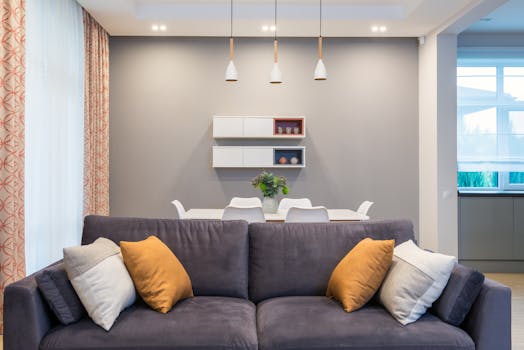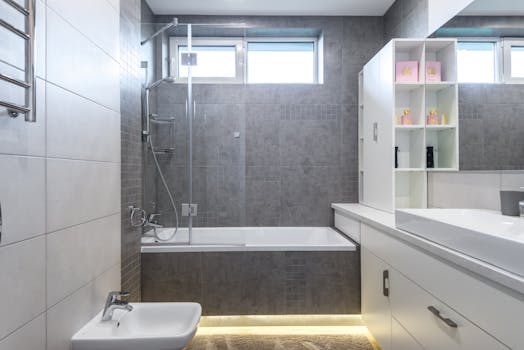

Have you ever scrolled through impeccably designed renovation projects online and wondered how they achieve such seamless integration of form and function? It’s a question many homeowners grapple with. While the allure of a fresh, updated living space is undeniable, the journey of design home renovations is often more intricate than it appears. It’s not merely about picking new paint colors or countertops; it’s about a strategic process that balances vision with practicality.
This isn’t about a quick flip or a superficial update. We’re talking about renovations that genuinely enhance your living experience, improve your home’s value, and stand the test of time. Achieving this requires a thoughtful approach, a keen eye for detail, and a solid understanding of the underlying principles that govern successful transformations. Let’s delve into the core considerations that differentiate a good renovation from a truly exceptional one.
The Foundation of Vision: Defining Your Renovation’s Purpose
Before any demolition begins, the most critical phase is clarifying your objectives. What are you truly trying to achieve with these design home renovations? Are you aiming to:
Enhance Livability: Reconfiguring spaces to better suit your lifestyle, improve flow, or add much-needed functionality? Perhaps a cramped kitchen needs to become an open-plan hub for family life, or a master suite requires a spa-like retreat.
Increase Property Value: Investing in upgrades that offer a strong return on investment, appealing to future buyers? This often involves timeless finishes and structural improvements.
Address Functional Deficiencies: Rectifying outdated systems (plumbing, electrical), improving insulation, or tackling structural issues that are impacting comfort or safety?
Achieve Aesthetic Aspirations: Realizing a specific design style or creating a more visually appealing environment that reflects your personal taste?
I’ve often found that homeowners who articulate these goals with precision are far more likely to navigate the inevitable challenges with clarity and achieve results they genuinely love. Without a clear purpose, renovations can drift, leading to scope creep and dissatisfaction.
Strategic Planning: The Blueprint for Success
Once your vision is defined, meticulous planning becomes paramount. This is where the “design” aspect of design home renovations truly takes center stage, extending far beyond aesthetics.
#### Budgeting with Foresight: More Than Just Numbers
Establishing a realistic budget is non-negotiable. However, it’s not just about a single figure. Consider these nuances:
Contingency Fund: Always allocate a buffer of 15-20% for unforeseen issues. This is not optional; it’s an essential safeguard. I can’t stress this enough – it’s the difference between a minor hiccup and a project derailing due to unexpected findings behind walls.
Phased Approach: If your dream renovation exceeds immediate financial capacity, consider breaking it down into manageable phases. Prioritize the most impactful elements first.
Long-Term Value: When selecting materials and finishes, think about durability and timeless appeal. A slightly higher upfront cost for quality can save money and headaches down the line.
#### Selecting Your Design Team: Collaboration is Key
Choosing the right professionals is crucial. Whether you’re working with an architect, interior designer, or a design-build firm, ensure they:
Understand Your Vision: They should actively listen and translate your ideas into practical, buildable plans.
Possess Relevant Expertise: Their portfolio should align with the scope and style of your intended renovations.
Communicate Effectively: Clear, consistent communication is the bedrock of a smooth project. Regular site visits and transparent updates are vital.
Executing with Precision: From Concept to Completion
The construction phase is where the vision begins to materialize. This requires diligent oversight and a commitment to quality craftsmanship.
#### Material Selection: The Substance Behind the Style
The choice of materials significantly impacts both the aesthetic and the longevity of your renovation.
Functionality First: For high-traffic areas like kitchens and bathrooms, prioritize durable, easy-to-maintain materials. Think quartz countertops over marble for daily use, or porcelain tiles that mimic natural stone but are more resilient.
Aesthetic Cohesion: Ensure materials complement each other and contribute to the overall design narrative. This involves considering texture, color, and finish.
Sustainability: Increasingly, homeowners are opting for eco-friendly materials that are good for the planet and can contribute to healthier indoor environments.
#### Navigating the Build: Quality Control and Problem-Solving
During construction, stay actively involved, even if you have a project manager.
Regular Site Visits: These are opportunities to catch potential issues early and ensure work aligns with the approved designs.
Documentation: Keep records of all decisions, change orders, and communications.
Problem-Solving: When challenges arise (and they often do), approach them collaboratively with your team. A flexible yet firm stance is often most effective. It’s interesting to note that sometimes the most creative solutions emerge from unexpected on-site discoveries.
Post-Renovation: Cherishing Your Transformed Space
The completion of the physical work is not the end. The final touches and how you integrate the renovated space into your life are equally important.
#### The Art of Accessorizing and Styling
Once the major construction is done, this is where you inject your personality.
Layering Textures: Combine different fabrics, rugs, and decorative items to add depth and warmth.
Strategic Lighting: Layer ambient, task, and accent lighting to create mood and highlight key features.
* Personal Touches: Art, photographs, and plants bring life and character to a newly renovated space.
#### Living and Maintaining Your Investment
Enjoy your updated home! And remember that even the most robust design home renovations require some ongoing care. Follow manufacturer recommendations for material maintenance to ensure their longevity and continued beauty.
Wrapping Up: The Enduring Impact of Thoughtful Design
Ultimately, successful design home renovations are a marriage of vision, meticulous planning, and quality execution. They are an investment not just in your property, but in your daily comfort and well-being. By approaching the process with a clear understanding of your goals, a well-defined budget, and a commitment to collaboration, you can transform your house into a home that truly reflects your aspirations and stands the test of time. The journey may have its complexities, but the reward of a beautifully functional and aesthetically pleasing living space is immeasurable.