
We often associate fitness with physical prowess, aesthetic changes, or the sheer act of burning calories. Yet, beneath the surface of muscle activation and cardiovascular exertion lies a far more intricate and profound interaction: the way regular fitness routines orchestrate a powerful counter-offensive against stress. It’s not just about feeling good after a workout; it’s about fundamentally recalibrating our neurochemical landscape, forging resilience in the face of life’s inevitable pressures. For many, the journey to managing stress begins not in a therapist’s office, but on a trail, in a studio, or at the gym.
Decoding the Stress Response: A Biological Interplay
To truly appreciate how fitness aids in reducing stress, we must first understand the body’s stress response. When faced with a perceived threat – whether a roaring lion or a looming deadline – our sympathetic nervous system kicks into high gear. This triggers the release of stress hormones like cortisol and adrenaline. While crucial for short-term survival, chronic activation of this system leads to a cascade of negative effects: impaired cognitive function, weakened immunity, sleep disturbances, and heightened anxiety.
This is where regular physical activity intervenes, not as a passive observer, but as an active modulator. It’s a sophisticated biological conversation, where movement speaks a language that our stress-laden systems understand and respond to positively.
The Neurochemical Reset Button: How Exercise Rebalances Our Brain
The immediate post-workout euphoria is no accident; it’s a testament to significant neurochemical shifts. During exercise, the brain releases endorphins, often dubbed “feel-good” chemicals. These natural mood elevators not only combat feelings of depression and anxiety but also act as natural analgesics, blunting the perception of pain and discomfort.
Furthermore, consistent physical exertion influences the production of other crucial neurotransmitters like serotonin and dopamine. Serotonin plays a vital role in mood regulation and feelings of well-being, while dopamine is associated with pleasure, motivation, and reward. By engaging in regular fitness, we are, in essence, proactively enhancing our brain’s capacity to produce these vital mood regulators, creating a more stable and positive internal environment. This proactive approach to managing our brain chemistry is a cornerstone of effectively reducing stress with regular fitness routines.
Building Resilience: The Long-Term Impact of Consistent Movement
While the acute benefits are undeniable, the true power of fitness in stress management lies in its cumulative, long-term impact. Regular exercise acts like a biological training ground for our stress response system.
Hormonal Regulation: Over time, consistent physical activity can help to normalize cortisol levels, preventing them from reaching chronically elevated states. This means your body becomes less prone to overreacting to stressors.
Improved Sleep Architecture: Stress often wreaks havoc on sleep patterns. Regular exercise, particularly when timed appropriately, can significantly improve sleep quality and duration, allowing your body and mind to recover more effectively.
Enhanced Cognitive Function: High cortisol levels can impair executive functions like focus, decision-making, and memory. Exercise, by improving blood flow to the brain and promoting neurogenesis (the creation of new neurons), sharpens cognitive abilities, making it easier to navigate complex and stressful situations.
Increased Self-Efficacy: Successfully committing to and completing a fitness routine builds a sense of accomplishment and control. This can translate into a greater belief in one’s ability to handle other life challenges, a phenomenon closely tied to reduced stress perception.
It’s this sustained modulation of physiological responses that truly underscores the efficacy of reducing stress with regular fitness routines.
Beyond Aerobics: Exploring Diverse Modalities for Stress Mitigation
The beauty of fitness is its vast spectrum of options. While cardiovascular exercise is a well-documented stress reliever, other modalities offer unique benefits:
#### Strength Training’s Quiet Power
Often perceived as purely for building muscle, strength training is a potent stress reducer. The controlled exertion, the focus required, and the tangible progress all contribute to a sense of mastery. Moreover, the physiological adaptations from resistance training can lead to improved mood regulation and a more robust response to stressors. It’s a deliberate process of pushing boundaries and observing adaptation, which can be incredibly empowering.
#### The Mind-Body Connection: Yoga and Tai Chi
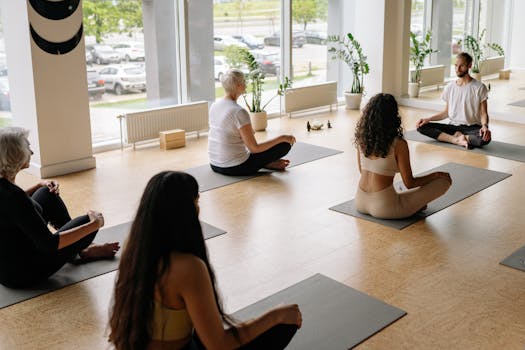
Practices like yoga and Tai Chi are renowned for their stress-reducing capabilities. They combine physical postures with breathwork and mindfulness, directly targeting the relaxation response. By fostering a deeper connection between mind and body, these disciplines help to quiet the incessant mental chatter that often fuels anxiety. The emphasis on present-moment awareness acts as an antidote to rumination and worry.
#### The Rhythmic Escape: Dance and Rhythmic Movement
Engaging in dance or any form of rhythmic movement can be incredibly liberating. The combination of music, movement, and often social interaction can create a powerful sense of joy and release. This is particularly effective for individuals who find structured exercise monotonous. The sheer act of letting go and moving to a beat can be a profound way of shedding accumulated tension.
Practical Integration: Making Fitness a Sustainable Stress Antidote
The most effective strategy for reducing stress with regular fitness routines isn’t about striving for Olympic-level performance; it’s about consistency and finding what resonates with you.
Start Small, Stay Consistent: Don’t aim for an hour-long gym session every day if that’s unrealistic. Even 20-30 minutes of brisk walking several times a week can yield significant benefits. The key is regularity.
Listen to Your Body: Some days you might crave an intense workout, while others call for a gentle stretch. Honour these signals to prevent burnout and injury.
Schedule It In: Treat your fitness sessions like any other important appointment. Block out time in your calendar to ensure it happens.
Find Your Tribe: Exercising with friends or joining a class can provide accountability and make the process more enjoyable. Social connection is, in itself, a powerful stress buffer.
* Vary Your Activities: To keep things engaging and challenge your body in different ways, try incorporating a mix of aerobic, strength, and flexibility exercises.
Wrapping Up: The Active Cultivation of Calm
Ultimately, reducing stress with regular fitness routines is not a passive byproduct of exercise; it’s an active, deliberate cultivation of our physiological and psychological resilience. It’s about understanding that each stride, each lift, each stretch is an investment in a calmer, more balanced future. The most impactful advice I can offer is this: view your fitness routine not as a chore, but as a dedicated practice of self-care, a non-negotiable appointment with your own well-being.